
The Importance of Regular Gynecological Exams: A Complete Guide for Every Woman
November 17, 2025
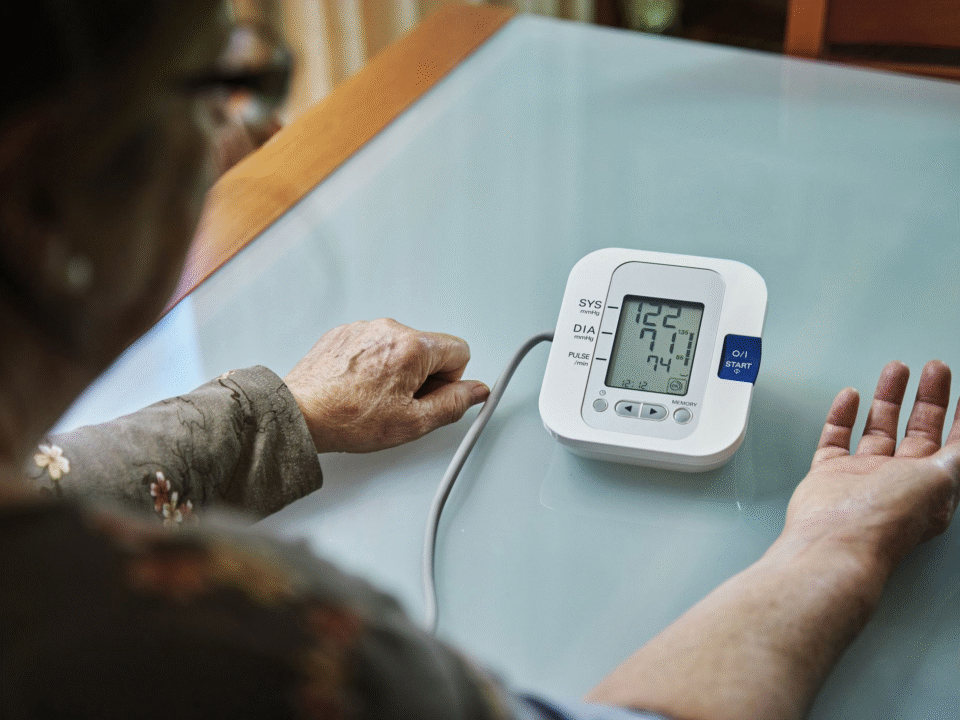
How to Monitor Your Blood Pressure at Home
November 17, 2025
Heart disease remains one of the leading causes of death worldwide, but the good news is that many risk factors can be controlled naturally. By making simple lifestyle changes and embracing heart-friendly habits, you can significantly reduce your chances of developing heart disease. This article will guide you through effective natural strategies for preventing heart disease while keeping your approach simple, sustainable, and practical.
Understanding Heart Disease
Heart disease, or cardiovascular disease, refers to conditions affecting the heart and blood vessels. These conditions include coronary artery disease, heart attacks, arrhythmias, and heart failure. While genetics play a role, lifestyle factors—such as diet, physical activity, stress, and smoking—are crucial contributors. By focusing on natural prevention methods, you can strengthen your heart, improve circulation, and maintain healthy blood pressure and cholesterol levels.
1. Eat a Heart-Healthy Diet
One of the most effective ways to prevent heart disease naturally is through a nutritious diet. Your food choices directly impact your cholesterol, blood pressure, and overall heart function. Here’s how you can eat for a healthier heart:
- Focus on whole foods: Fresh fruits, vegetables, whole grains, legumes, nuts, and seeds are rich in fiber, antioxidants, and healthy fats that protect your heart.
- Include healthy fats: Omega-3 fatty acids found in fish, flaxseeds, and walnuts help lower bad cholesterol (LDL) and reduce inflammation. Avoid trans fats and limit saturated fats found in processed foods and fatty meats.
- Reduce sugar and refined carbs: Excess sugar and refined carbohydrates increase the risk of obesity, diabetes, and heart disease. Choose natural sweeteners in moderation and whole grains over refined flour.
- Use herbs and spices: Garlic, turmeric, ginger, and cinnamon have heart-protective properties that improve circulation and reduce inflammation.
Tip: Eating a colorful plate daily ensures a variety of nutrients that benefit heart health.
2. Stay Physically Active
Regular exercise is one of the simplest and most effective ways to prevent heart disease naturally. Physical activity strengthens the heart, improves blood circulation, and helps maintain a healthy weight.
- Aerobic exercises: Activities like walking, swimming, cycling, and jogging improve cardiovascular endurance and lower blood pressure. Aim for at least 150 minutes per week.
- Strength training: Lifting weights or using resistance bands twice a week builds muscle and supports metabolism, helping to manage weight and blood sugar.
- Flexibility and balance: Yoga and stretching reduce stress and improve overall heart health by promoting relaxation and circulation.
Even small changes, like taking stairs instead of elevators or walking after meals, add up to significant heart benefits over time.
3. Maintain a Healthy Weight
Excess body weight, especially around the abdomen, increases the risk of high blood pressure, diabetes, and heart disease. By combining a healthy diet with regular exercise, you can achieve and maintain a healthy weight.
- Track your progress using a BMI calculator, but remember, waist circumference is also a critical measure of heart risk.
- Avoid crash diets; instead, focus on consistent, gradual changes in eating habits and activity levels.
Remember: Every pound lost can reduce the strain on your heart and improve overall health.
4. Manage Stress Naturally
Chronic stress contributes to high blood pressure, inflammation, and unhealthy lifestyle choices, all of which increase heart disease risk. Managing stress naturally is essential for a healthy heart.
- Meditation and deep breathing: Spending just 10–15 minutes a day in meditation can lower blood pressure and calm the mind.
- Spending time outdoors: Nature walks and exposure to sunlight reduce stress hormones.
- Hobbies and social connections: Activities you enjoy and meaningful social interactions can improve heart health and emotional well-being.
5. Get Quality Sleep
Sleep is often overlooked but is vital for heart health. Poor sleep increases the risk of high blood pressure, obesity, diabetes, and heart disease.
- Aim for 7–9 hours of sleep per night.
- Maintain a consistent sleep schedule.
- Limit screens before bedtime and create a calm, dark sleeping environment.
Good sleep allows your heart and blood vessels to rest and repair, reducing the risk of cardiovascular problems.
6. Avoid Smoking and Limit Alcohol
Smoking is a major risk factor for heart disease. Chemicals in cigarettes damage blood vessels, raise blood pressure, and decrease oxygen in the blood. Quitting smoking is one of the most impactful steps you can take to protect your heart.
Excessive alcohol intake also increases blood pressure and contributes to heart disease. Moderate consumption, if any, is best: up to one drink per day for women and two drinks per day for men.
7. Monitor Your Heart Health
Regular checkups with your healthcare provider help detect early signs of heart disease. Simple tests like blood pressure measurement, cholesterol screening, and blood sugar tests can prevent serious complications.
Keeping a log of your health metrics allows you to notice trends and make informed decisions about your lifestyle.
8. Incorporate Heart-Friendly Supplements (Optional)
Certain natural supplements may support heart health, but always consult your doctor before starting any new supplement:
- Omega-3 fatty acids: Improve cholesterol and reduce inflammation.
- Coenzyme Q10 (CoQ10): Supports heart muscle function.
- Magnesium and potassium: Help maintain normal blood pressure.
Remember, supplements complement a healthy lifestyle—they are not a replacement for proper diet and exercise.
Conclusion
Preventing heart disease naturally is a lifelong commitment, but it is entirely achievable with consistent effort. By focusing on a heart-healthy diet, regular exercise, stress management, quality sleep, avoiding harmful habits, and monitoring your health, you can significantly reduce your risk of heart disease. Small, sustainable lifestyle changes often have the biggest long-term impact. Your heart is your engine, and taking care of it naturally ensures it runs smoothly for years to come.
FAQs
1. Can heart disease be completely prevented naturally?
While genetics play a role, a healthy lifestyle can prevent or delay most cases of heart disease. Consistent diet, exercise, and stress management are key.
2. How much exercise is needed to protect the heart?
At least 150 minutes of moderate aerobic exercise per week, combined with two strength-training sessions, is recommended for optimal heart health.
3. Are natural remedies enough for someone with high cholesterol?
Natural methods like diet, exercise, and stress reduction can significantly improve cholesterol levels, but some people may still require medication. Always consult a doctor.
4. Does drinking green tea help prevent heart disease?
Yes, green tea contains antioxidants called catechins, which may reduce inflammation and improve blood vessel function, supporting heart health.
5. Is it safe to take heart supplements without consulting a doctor?
No, supplements can interact with medications or cause side effects. Always talk to a healthcare professional before adding them to your routine.