
When Should You Start Seeing a Cardiologist for Regular Screenings?
December 17, 2025
Effective Pain Management Techniques for Chronic Pain Sufferers
December 18, 2025
Monitoring cardiovascular health requires accurate assessment of the heart, blood vessels, and surrounding structures. Body imaging plays a significant role in this process by providing detailed, noninvasive views that support early detection and ongoing evaluation of cardiovascular conditions. Here’s more information on the role of body imaging in cardiovascular health monitoring:
What Affects Heart Health?
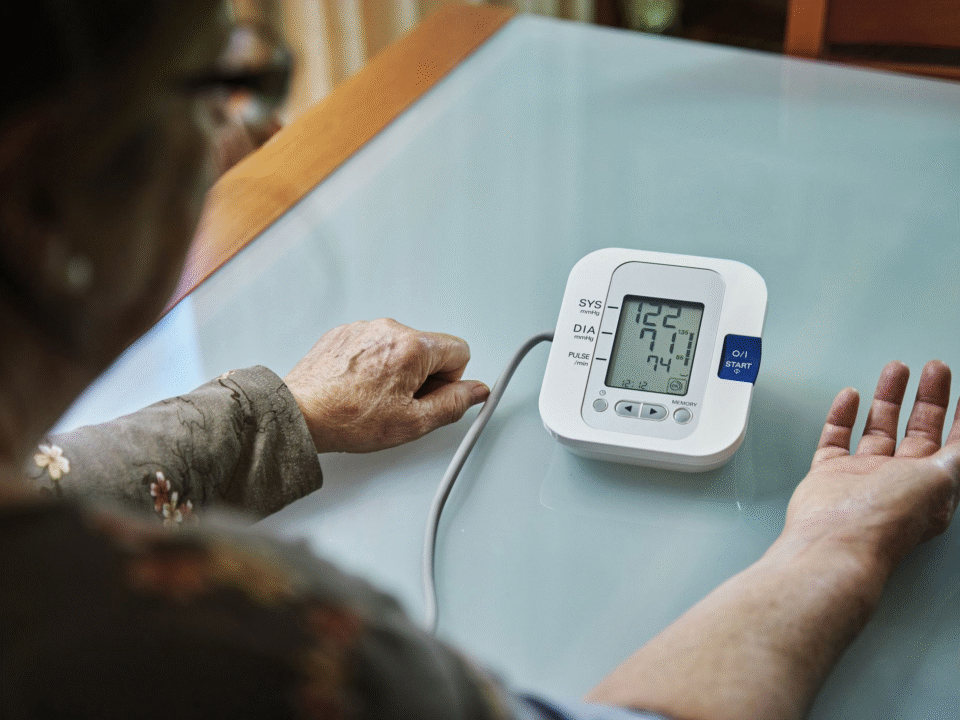
Cardiovascular health refers to the efficient functioning of the heart and blood vessels throughout the body. When this system functions properly, it delivers oxygen and nutrients to tissues; various factors can impede this process. Doctors often look for specific indicators that suggest a patient may develop heart disease or vascular issues. Identifying these risks early enables preventive measures that can prevent conditions from worsening. Common risk factors for cardiovascular problems include:
- High blood pressure, which places excessive strain on the heart muscle and arteries over time.
- Elevated cholesterol levels that can lead to plaque buildup and restrict proper blood flow.
- A family history of heart disease, stroke, or other vascular conditions.
- Lifestyle choices such as smoking, a lack of physical activity, or a poor diet.
These factors are key indicators that a physician may use to determine if a patient needs further testing.
How Does Body Imaging Work?
Body imaging is a specialized diagnostic technique employed by medical professionals to view the body’s internal structures. This process uses advanced technology to generate detailed images of organs, tissues, and blood vessels. These images allow radiologists to assess the health of internal systems without the need for surgery. There are various types of body scans, each serving a specific purpose in medical diagnostics. Radiologists select the appropriate imaging modality based on the presenting symptoms and the region to be examined.
How Are Vascular Issues Detected?
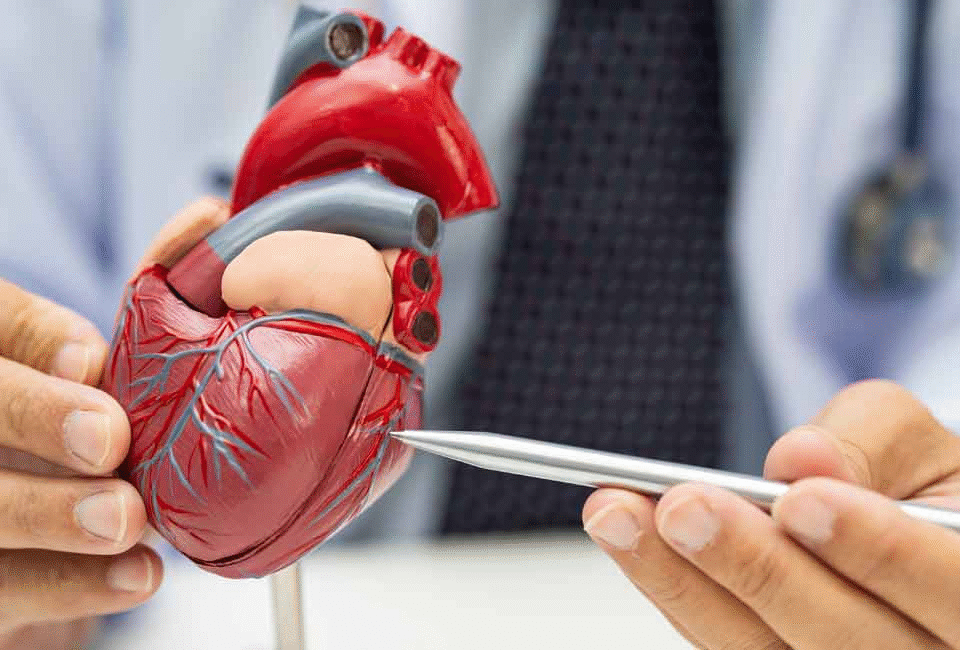
Diagnostic imaging is fundamental for identifying cardiovascular conditions that physical exams may miss. The technology captures high-resolution images of the heart and the complex vascular network surrounding it. This capability enables doctors to visualize structural defects, blockages, or signs of disease. For instance, advanced imaging can reveal if the heart chambers are enlarged or if the valves are not closing properly. Detecting these issues early enables earlier treatment, which often leads to better health outcomes.
Body imaging can detect aneurysms, which are weak spots in blood vessels that can be dangerous if they rupture. Imaging can also identify the hardening of the arteries by showing plaque buildup. This information allows cardiologists to assess the severity of the condition and determine the best course of action.
How Does Imaging Support Care?
Body imaging is also a key component of long-term health management. Doctors use these scans to monitor how a patient’s condition evolves over time. Body scans support ongoing cardiovascular care by:
- Tracking the size and function of the heart to see if it improves after starting medication.
- Monitoring the stability of vascular abnormalities, such as aneurysms, to prevent emergencies.
- Checking the success of surgical procedures, such as stent placements or valve repairs.
- Identifying new complications that may arise as a patient ages or as the disease progresses.
These follow-up scans provide concrete data that guides the medical team throughout the patient’s treatment and recovery.
Schedule Your Body Imaging Appointment
Body scans play a key role in maintaining cardiovascular health by providing detailed views of the body’s internal systems. It helps medical professionals detect problems early, diagnose conditions accurately, and monitor progress over time. If you have risk factors for heart disease, you should talk to your doctor about these screenings. Contact a reputable medical imaging center near you to schedule your body imaging appointment today.