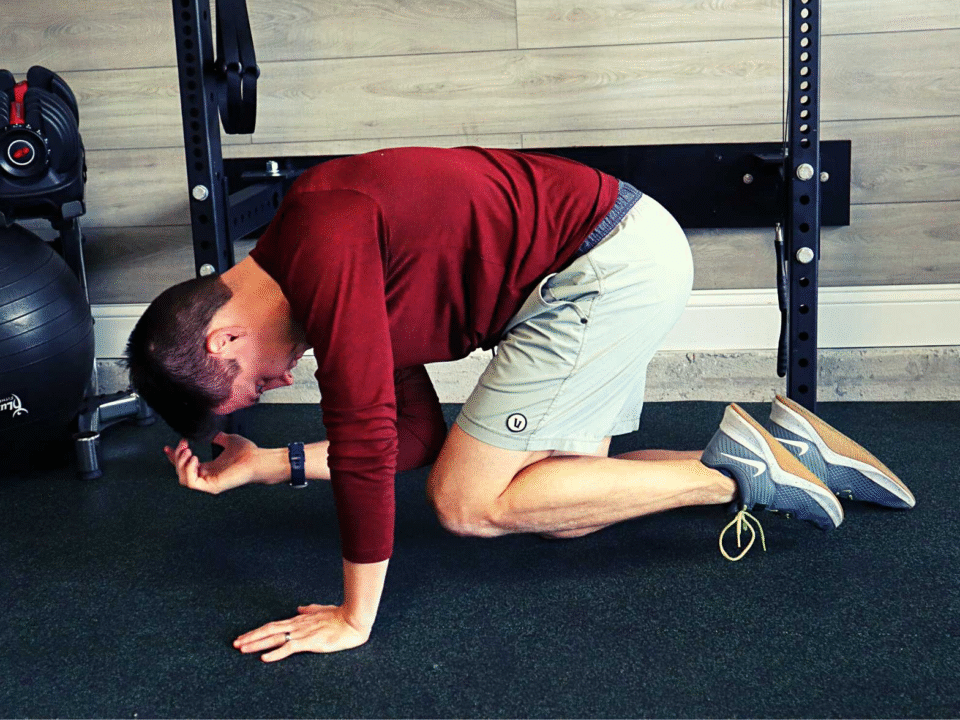
Physical Therapy Exercises for Back Pain: A Complete Guide to Relief and Recovery
November 17, 2025
How to Strengthen Your Immune System Naturally
November 17, 2025
Sports injuries can happen to anyone — whether you’re a professional athlete, a weekend jogger, or someone who loves playing basketball with friends. While the pain and frustration of being sidelined can be tough, the recovery process doesn’t have to drag on forever. With the right strategies, care, and patience, you can recover faster and get back to doing what you love most.
In this guide, we’ll explore effective ways to speed up your recovery from a sports injury — both physically and mentally.
1. Understand Your Injury
The first step to recovering quickly is understanding what kind of injury you’re dealing with. Sports injuries can range from minor sprains to more serious conditions like fractures or torn ligaments. Common types include:
- Strains and sprains: Often caused by overstretching or twisting muscles and ligaments.
- Tendonitis: Inflammation of the tendons due to overuse or repetitive motion.
- Fractures: Broken bones caused by falls or direct impacts.
- Dislocations: When bones are forced out of their normal positions in joints.
Why it matters: Knowing the exact type and severity of your injury helps you follow the right treatment plan and avoid further damage. Always consult a doctor or physical therapist for a proper diagnosis.
2. Follow the R.I.C.E. Method Early On
For most soft tissue injuries, the R.I.C.E. method is one of the most effective initial treatments. It stands for:
- Rest: Avoid activities that put pressure on the injured area. Rest allows your body to start repairing itself.
- Ice: Apply ice packs for 15–20 minutes every few hours to reduce swelling and pain.
- Compression: Wrap the injured area with an elastic bandage to minimize inflammation.
- Elevation: Keep the injury raised above heart level to decrease swelling and improve blood flow.
This method is especially useful within the first 48 hours after an injury. However, don’t overdo the icing or compression — moderation is key.
3. Eat a Nutrition-Rich Diet
Your body heals itself through the nutrients you consume. Eating the right foods can dramatically boost your recovery speed. Focus on:
| Nutrient | Benefits | Examples |
|---|---|---|
| Protein | Repairs muscles and tissues | Eggs, chicken, tofu, fish |
| Vitamin C | Helps produce collagen for joint and ligament repair | Citrus fruits, strawberries, bell peppers |
| Zinc | Boosts wound healing | Nuts, seeds, lean meats |
| Omega-3 fatty acids | Reduces inflammation | Salmon, walnuts, chia seeds |
| Calcium & Vitamin D | Strengthens bones | Dairy, spinach, sunlight exposure |
Also, stay hydrated! Water supports nutrient transport and flushes out toxins that can slow recovery.
4. Physical Therapy and Gentle Movement
Once your doctor gives you the green light, start gentle movements and physical therapy exercises. Staying immobile for too long can weaken your muscles and joints.
A licensed physical therapist can design a personalized exercise plan that improves flexibility, strength, and balance without overstraining your injury. These guided movements can help you:
- Regain mobility and range of motion
- Prevent stiffness or scar tissue build-up
- Rebuild confidence in your body’s movements
Remember, progress takes time. Listen to your body and avoid rushing through exercises.
5. Get Enough Rest and Sleep
Rest is not just about staying off your feet — it’s also about allowing your body to repair while you sleep. During deep sleep, your body releases growth hormones that rebuild tissues and muscles. Aim for 7–9 hours of sleep per night to support faster healing.
To improve sleep quality:
- Maintain a consistent sleep schedule.
- Avoid caffeine or screen time before bed.
- Keep your sleeping area quiet, dark, and cool.
Think of sleep as an essential part of your rehab routine — not a luxury.
6. Use Pain Relief Wisely
Over-the-counter medications like ibuprofen or acetaminophen can help relieve pain and reduce swelling, but they should be used cautiously. Relying too heavily on painkillers may mask symptoms and tempt you to resume activity too soon.
For a more natural approach, consider:
- Cold and heat therapy: Ice reduces inflammation; heat promotes blood flow after swelling subsides.
- Massage therapy: Helps relax tight muscles and improve circulation.
- Topical creams: Containing menthol or arnica for localized pain relief.
Always follow your healthcare provider’s advice when using medications or alternative treatments.
7. Stay Positive and Mentally Engaged
Mental health plays a crucial role in physical recovery. Many athletes experience frustration, anxiety, or even mild depression during recovery because they feel “stuck.” But keeping a positive mindset can actually speed up the healing process.
Ways to stay mentally active:
- Practice mindfulness or meditation to reduce stress.
- Engage in hobbies that don’t strain your body.
- Set small, achievable recovery goals.
- Stay connected with teammates or friends for support.
Visualizing yourself healthy and back in action can make a big difference in how quickly you heal.
8. Avoid Returning Too Soon
One of the most common mistakes athletes make is rushing back into sports before they’re fully healed. This often leads to re-injury or chronic issues that can take even longer to fix.
Here’s how to know you’re ready to return:
- You can move pain-free and without stiffness.
- You’ve regained full strength and flexibility.
- Your doctor or therapist gives you clearance.
Patience and discipline are your best recovery tools. Don’t let short-term impatience risk your long-term health.
9. Consider Advanced Recovery Options
Modern technology offers several advanced recovery treatments for athletes:
| Treatment | Description | Benefits |
|---|---|---|
| Cryotherapy | Exposure to very cold temperatures | Reduces inflammation and muscle soreness |
| Ultrasound therapy | Uses sound waves to stimulate tissue healing | Improves blood flow and repair |
| Electrical stimulation (TENS) | Uses low-level electrical impulses | Reduces pain and muscle tension |
| Hydrotherapy | Exercises performed in water | Low-impact rehab for joints and muscles |
These therapies can be especially helpful for serious or recurring injuries.
10. Focus on Prevention After Recovery
Once you’re healed, make sure you don’t repeat the same mistake. Adopt habits that prevent future injuries:
- Warm up and cool down before and after workouts.
- Strengthen core muscles to support your body.
- Wear proper footwear and protective gear.
- Learn correct form and technique for your sport.
- Don’t ignore early signs of pain or discomfort.
Preventing injuries is always easier — and faster — than recovering from them.
Conclusion
Recovering from a sports injury requires a mix of smart treatment, healthy habits, and patience. By understanding your body, eating nutritious foods, following professional guidance, and maintaining a positive mindset, you can speed up the healing process and safely return to your favorite sport.
Remember — every step, even the small ones, brings you closer to full recovery.
FAQs about Recovering from a Sports Injury
1. How long does it usually take to recover from a sports injury?
Recovery time depends on the injury’s type and severity. Minor sprains can heal within a few weeks, while serious injuries like ligament tears or fractures may take several months. Following medical advice can help shorten recovery time.
2. Can stretching help speed up recovery?
Yes, gentle stretching can improve flexibility and blood flow, but only after the initial inflammation has reduced. Always consult your physical therapist before starting.
3. Should I keep exercising while injured?
It depends on the injury. Low-impact exercises like swimming or stationary cycling may be safe, but never continue movements that cause pain or strain.
4. What are signs that I’m pushing too hard during recovery?
Pain, swelling, stiffness, or fatigue after physical activity are warning signs. If symptoms worsen, stop immediately and rest or consult your doctor.
5. Are natural remedies effective for healing sports injuries?
Some natural remedies — like turmeric (anti-inflammatory) or Epsom salt baths — may help relieve mild discomfort, but they should complement, not replace, medical treatment.