
How to Stay Motivated to Work Out: A Complete Guide to Consistency and Success
November 17, 2025
How Massage Helps with Stress and Anxiety
November 17, 2025
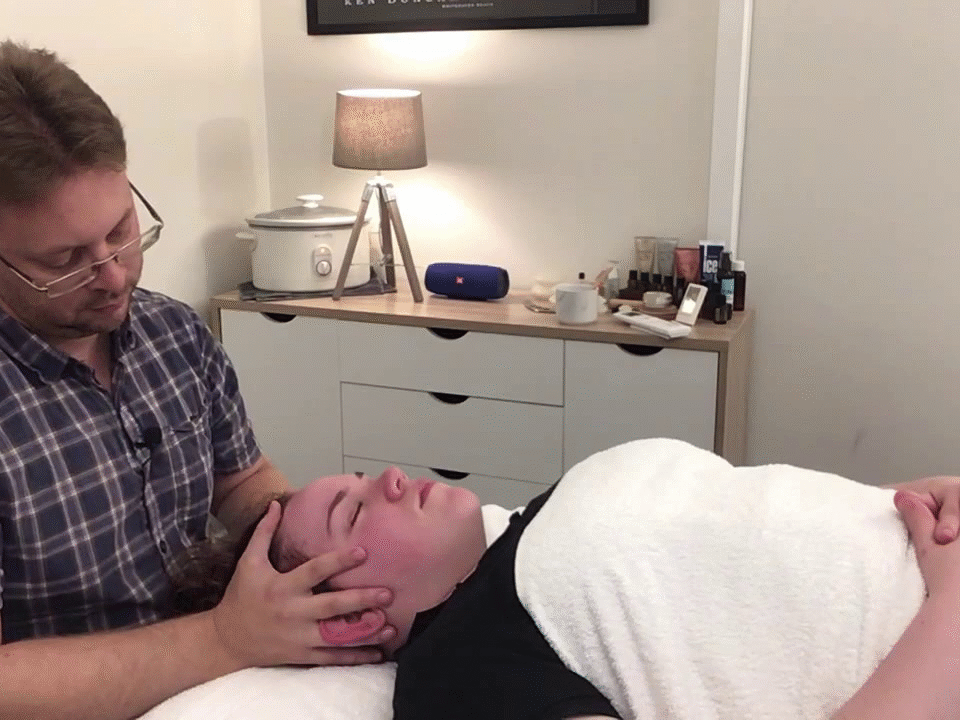
In today’s fast-paced world, stress and tension have become a normal part of life. With busy schedules, work pressure, and constant connectivity, our bodies and minds often bear the brunt of modern living. One of the most effective ways to counteract these pressures is through regular massage therapy. While many people think of massage as a luxury or a temporary indulgence, the benefits of consistent massage therapy go far beyond relaxation. It positively affects the body, mind, and even emotional well-being.
What is Massage Therapy?
Massage therapy is the practice of manipulating the soft tissues of the body, including muscles, tendons, ligaments, and connective tissue, using hands, fingers, elbows, or specialized tools. There are different types of massage therapy, such as:
- Swedish massage – gentle, long strokes designed for relaxation.
- Deep tissue massage – targets deeper layers of muscles and connective tissue to relieve chronic tension.
- Sports massage – focuses on injury prevention and recovery for athletes.
- Trigger point therapy – relieves pain and tightness in specific muscle areas.
- Shiatsu and Thai massage – integrate stretching and pressure techniques for energy flow.
While each type has its specific technique and goal, the common denominator is that they all promote better physical and mental health.
Physical Benefits of Regular Massage Therapy
1. Reduces Muscle Tension and Pain
One of the most immediate benefits of massage is the relief of muscle tension. Overuse, poor posture, or stress can cause tight muscles and pain, particularly in areas like the neck, shoulders, and lower back. Regular massage helps by:
- Loosening tight muscles and knots
- Increasing flexibility and range of motion
- Reducing chronic pain conditions such as back pain or fibromyalgia
For individuals with physically demanding jobs or active lifestyles, massage therapy can act as both a preventive and therapeutic measure to maintain muscular health.
2. Improves Circulation
Massage therapy stimulates blood flow throughout the body. Enhanced circulation has several advantages:
- Improves oxygen and nutrient delivery to tissues
- Helps remove metabolic waste from muscles
- Supports faster recovery after workouts or injuries
Better blood flow also encourages cardiovascular health by easing the strain on the heart and improving overall energy levels.
3. Enhances Immune Function
Studies have shown that regular massage can boost the immune system. It increases lymphatic flow, which helps the body fight infections more effectively. Additionally, massage reduces stress hormones such as cortisol, which, when elevated, can weaken immunity over time. By keeping stress in check, massage therapy indirectly strengthens the body’s defense mechanisms.
4. Promotes Better Sleep
For those struggling with insomnia or irregular sleep patterns, massage therapy can be a natural solution. Relaxing massages reduce muscle tension, calm the nervous system, and lower stress hormone levels, making it easier to fall asleep and stay asleep. A consistent massage schedule can promote deeper and more restorative sleep cycles.
5. Aids Injury Recovery
Massage therapy is a valuable tool for rehabilitation. It can:
- Accelerate healing of strained or sprained muscles
- Reduce scar tissue formation
- Improve tissue elasticity and joint mobility
Athletes, in particular, benefit from regular massage sessions to prevent injuries, enhance performance, and recover faster after intense workouts.
Mental and Emotional Benefits
1. Reduces Stress and Anxiety
Stress is a silent contributor to many health problems, including high blood pressure, heart disease, and mental health disorders. Massage therapy activates the parasympathetic nervous system, often referred to as the “rest and digest” mode, which helps reduce stress and promotes relaxation. Many clients report feeling lighter, calmer, and more focused after a session.
2. Improves Mood
Massage therapy stimulates the release of endorphins, serotonin, and dopamine — chemicals in the brain that regulate mood and happiness. This natural boost can help combat symptoms of depression, anxiety, and general irritability. Regular sessions create a sense of mental clarity, emotional balance, and overall well-being.
3. Enhances Mind-Body Connection
Massage encourages mindfulness and body awareness. When someone is stressed, it’s common to disconnect from the physical self, ignoring tension signals or posture issues. Massage therapy brings attention back to the body, helping individuals recognize problem areas and adopt healthier movement habits.
Long-Term Health Benefits
Consistency is key when it comes to massage therapy. Those who receive massages regularly experience cumulative benefits, including:
- Chronic pain management: Conditions like arthritis, migraines, and lower back pain can be better managed.
- Posture improvement: Regular sessions relieve muscular imbalances, supporting proper alignment.
- Increased energy and productivity: Relaxation and reduced tension contribute to better focus and stamina throughout the day.
- Enhanced overall wellness: Both physical and mental health improve, leading to a higher quality of life.
Even a 30-minute session every week or biweekly can have significant long-term effects on overall health.
Practical Tips for Getting the Most from Massage Therapy
- Choose the Right Type: Identify your primary goals—relaxation, pain relief, sports recovery—and select a massage type that aligns with your needs.
- Be Consistent: Incorporate massage into your regular routine rather than seeking it only when pain appears.
- Communicate with Your Therapist: Always discuss areas of discomfort, pressure preferences, and medical conditions.
- Hydrate Well: Drinking water before and after massage helps flush toxins released during therapy.
- Combine with Healthy Habits: Pair massage therapy with stretching, exercise, and stress management for best results.
Conclusion
Massage therapy is much more than a luxury. Its wide-ranging benefits extend from muscle relief and injury recovery to stress reduction, improved immunity, and emotional well-being. Incorporating regular massage sessions into your lifestyle can not only alleviate physical discomfort but also enhance your mental health and overall quality of life. Whether it’s a short, relaxing Swedish massage or a deep tissue session to release chronic tension, the consistent practice of massage therapy is an investment in your body and mind.
FAQs About Regular Massage Therapy
1. How often should I get a massage for optimal benefits?
It depends on your lifestyle and health goals. For stress relief and relaxation, once every two weeks may suffice. For chronic pain or athletic recovery, weekly sessions are often recommended.
2. Can massage therapy help with anxiety or depression?
Yes, massage therapy can boost serotonin and dopamine levels, helping to reduce symptoms of anxiety and depression. It promotes relaxation and emotional balance.
3. Are there any side effects of regular massage?
Massage is generally safe. Some people may experience mild soreness or fatigue after a session, but these effects usually disappear within a day. Always inform your therapist of any medical conditions.
4. Is massage therapy suitable for older adults?
Absolutely. Massage can help older adults improve circulation, reduce joint pain, and maintain flexibility. Therapists can adjust techniques and pressure for comfort and safety.
5. Can massage therapy replace medical treatment?
No, massage therapy complements medical care but does not replace it. It’s effective for pain management, relaxation, and recovery, but chronic or serious conditions should always be evaluated by a healthcare professional.