
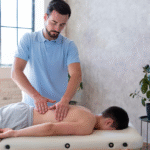
Benefits of Regular Massage Therapy
November 17, 2025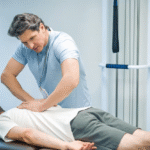
How Chiropractic Care Improves Mobility: A Complete Guide
November 17, 2025
In today’s fast-paced world, stress and anxiety have become common companions for many people. From work deadlines to family responsibilities, the pressures of daily life can weigh heavily on both the mind and body. While there are many ways to manage stress, one natural and highly effective method is massage therapy. Not only does massage offer relaxation, but it also provides tangible benefits that can help reduce stress and anxiety in the long term.
Understanding Stress and Anxiety
Before diving into how massage helps, it’s important to understand what stress and anxiety are. Stress is the body’s response to external pressures, whether physical, emotional, or mental. Short-term stress can be helpful, motivating us to meet deadlines or avoid danger. However, chronic stress can lead to serious health issues, including high blood pressure, heart problems, and mental fatigue.
Anxiety, on the other hand, is a prolonged state of worry or fear. Unlike stress, which usually has a clear trigger, anxiety can persist even without an obvious cause. Common symptoms of anxiety include tension, irritability, difficulty concentrating, rapid heartbeat, and disturbed sleep.
Both stress and anxiety affect the nervous system, hormones, and muscle tension. This is where massage therapy comes into play, helping the body and mind regain balance.
How Massage Works to Reduce Stress and Anxiety
Massage therapy involves manipulating the soft tissues of the body, including muscles, connective tissue, tendons, and ligaments. The techniques used during massage can vary, from gentle stroking in Swedish massage to deeper pressure in deep tissue massage. Here’s how these techniques help with stress and anxiety:
1. Reduces Cortisol Levels
Cortisol is known as the “stress hormone.” When we are stressed, the body produces more cortisol, which can affect our immune system, blood pressure, and sleep quality. Studies have shown that massage therapy can significantly lower cortisol levels, helping the body feel more relaxed and less tense.
2. Increases Serotonin and Dopamine
Massage not only reduces stress hormones but also boosts mood-enhancing chemicals in the brain, such as serotonin and dopamine. These neurotransmitters play a key role in regulating mood, promoting feelings of well-being, and reducing anxiety. A regular massage routine can help maintain a natural balance of these chemicals, making it easier to cope with daily pressures.
3. Relieves Muscle Tension
Stress and anxiety often manifest physically as muscle tightness or pain, particularly in the neck, shoulders, and back. Massage therapy helps release this tension, improving blood circulation and relaxing stiff muscles. When muscles are less tense, the body naturally feels calmer, which can also positively impact the mind.
4. Improves Sleep Quality
Difficulty sleeping is a common symptom of stress and anxiety. Massage can promote relaxation by slowing the heart rate, reducing blood pressure, and calming the nervous system. This helps prepare the body for restorative sleep, which is essential for managing anxiety and improving overall health.
5. Enhances Mind-Body Awareness
Massage encourages mindfulness and body awareness. When receiving a massage, individuals are more likely to focus on their breathing and sensations, which can reduce racing thoughts and promote a meditative state. This mindful awareness can help people feel more in control of their stress and anxiety.
Different Types of Massage for Stress and Anxiety
There are several types of massage, each with unique benefits. Choosing the right type depends on individual preferences and needs:
- Swedish Massage: A gentle, relaxing technique that promotes overall relaxation and stress relief.
- Deep Tissue Massage: Focuses on deeper layers of muscles, relieving chronic tension and pain that may contribute to anxiety.
- Aromatherapy Massage: Combines essential oils with massage techniques to enhance relaxation and emotional well-being.
- Hot Stone Massage: Uses warm stones to relax muscles and improve blood circulation, reducing physical stress symptoms.
- Reflexology: Targets pressure points on the feet, hands, or ears to promote overall calm and mental balance.
Incorporating Massage into Your Stress Management Routine
While a single massage can provide immediate relief, consistent sessions offer long-term benefits. Many people find that weekly or biweekly massages significantly improve their ability to manage stress and anxiety. In addition to professional sessions, self-massage techniques, such as using foam rollers or practicing gentle stretching, can also help maintain relaxation between appointments.
It’s also important to combine massage therapy with other stress-management strategies, including regular exercise, healthy nutrition, adequate sleep, and mindfulness practices like meditation or yoga.
Conclusion
Massage therapy is more than just a luxury—it’s a powerful tool for managing stress and anxiety. By reducing cortisol levels, increasing mood-enhancing chemicals, relieving muscle tension, improving sleep, and promoting mindfulness, massage helps the body and mind achieve a state of calm. Regular massage sessions, combined with a healthy lifestyle, can significantly enhance emotional well-being and improve overall quality of life.
Frequently Asked Questions (FAQs)
1. Can massage completely eliminate anxiety?
While massage can significantly reduce stress and anxiety symptoms, it may not eliminate anxiety entirely, especially in severe cases. It works best as part of a comprehensive approach including therapy, lifestyle changes, and, if necessary, medication.
2. How often should I get a massage to manage stress?
For long-term stress relief, many people benefit from weekly or biweekly sessions. Even monthly massages can provide noticeable benefits, depending on individual stress levels.
3. Is there any risk of massage worsening anxiety?
Generally, massage is safe for most people. However, individuals with certain medical conditions, injuries, or severe psychological issues should consult a healthcare professional before starting massage therapy.
4. Can self-massage at home help with stress?
Yes! Techniques such as using foam rollers, massage balls, or gentle hand massage can help relieve muscle tension and promote relaxation when professional sessions are not available.
5. Are some types of massage better for stress than others?
Yes. Swedish massage and aromatherapy massage are often recommended for relaxation and stress relief, while deep tissue massage is more effective for chronic muscle tension that may contribute to anxiety.

