Signs of Hormonal Imbalance in Men and Women
November 17, 2025
Sustainable Ways to Lose Weight: A Healthy Approach That Lasts
November 17, 2025
In today’s fast-paced world, stress has become a common companion in our daily lives. Feeling tense, anxious, or overwhelmed is natural, but learning how to relax is essential for both physical and mental health. One of the simplest and most effective ways to achieve calmness is through proper breathing. Breathing is more than just a basic life function; it is a powerful tool to reduce stress, improve focus, and restore balance. In this article, we will explore the best breathing techniques for relaxation, explain how they work, and guide you on how to practice them effectively.
Understanding the Power of Breath
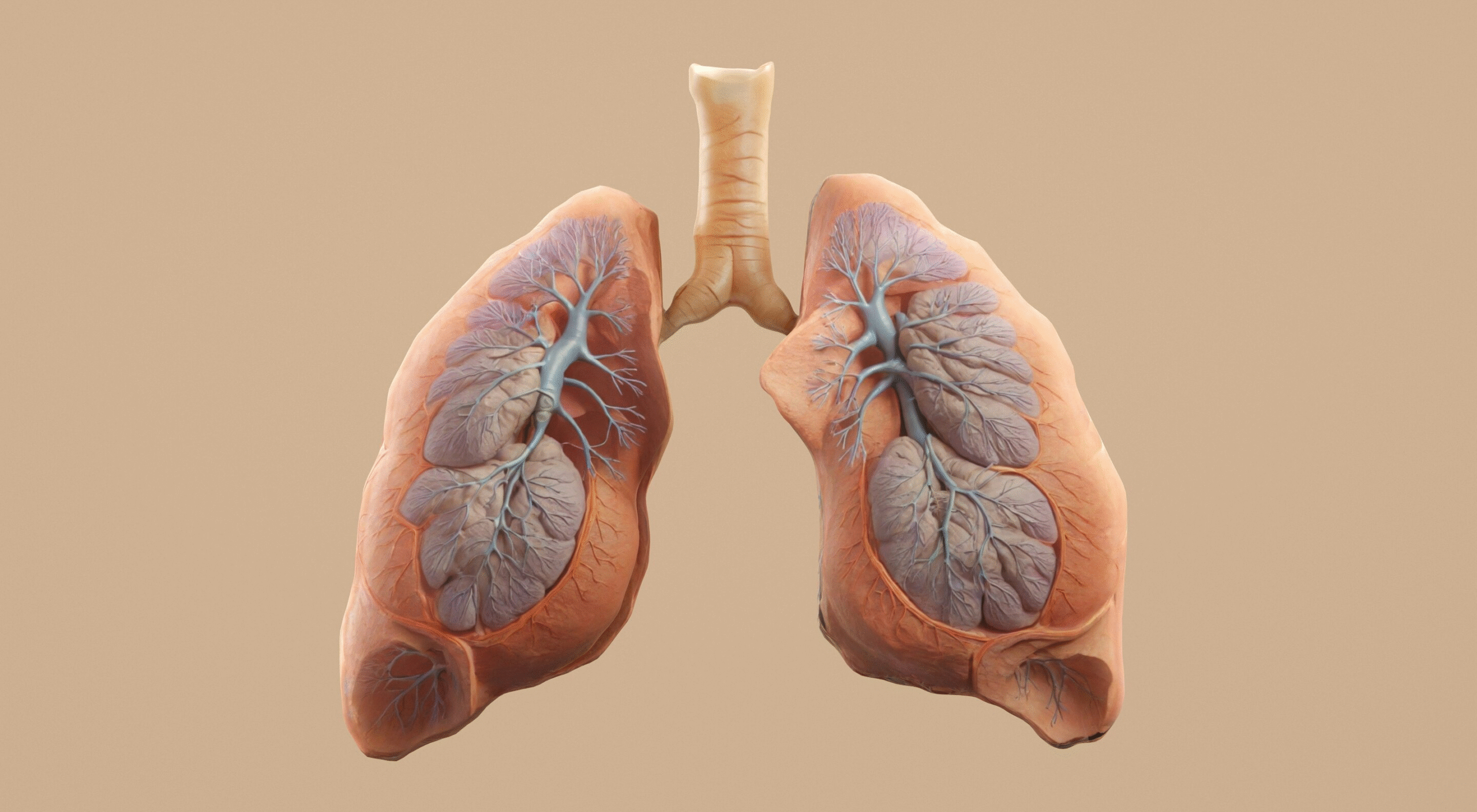
Before diving into specific techniques, it’s important to understand why breathing affects relaxation. Breathing is directly linked to the autonomic nervous system, which controls involuntary body functions such as heart rate and digestion. When you are stressed, your body goes into “fight or flight” mode, causing rapid, shallow breathing. By consciously slowing and deepening your breath, you can activate the parasympathetic nervous system, which promotes a state of calm and relaxation.
Benefits of mindful breathing include:
- Lowered heart rate and blood pressure
- Reduced anxiety and stress
- Improved sleep quality
- Enhanced mental clarity and focus
- Greater emotional balance
Now, let’s explore the most effective breathing techniques that can help you relax instantly.
1. Diaphragmatic Breathing (Belly Breathing)
Diaphragmatic breathing, also known as belly breathing, is one of the most powerful relaxation techniques. It focuses on deep breaths that expand your diaphragm rather than shallow chest breathing.
How to practice:
- Sit or lie down comfortably with your back straight.
- Place one hand on your chest and the other on your belly.
- Inhale slowly through your nose, feeling your belly rise as it fills with air.
- Exhale gently through your mouth, allowing your belly to fall.
- Repeat for 5–10 minutes.
Why it works:
This technique encourages full oxygen exchange, reduces tension in the chest, and triggers the parasympathetic nervous system, promoting deep relaxation.
2. 4-7-8 Breathing Technique
The 4-7-8 method is a simple but highly effective technique popularized by Dr. Andrew Weil. It’s excellent for calming the mind, reducing anxiety, and improving sleep.
How to practice:
- Sit or lie down comfortably.
- Inhale quietly through your nose for 4 seconds.
- Hold your breath for 7 seconds.
- Exhale completely through your mouth for 8 seconds.
- Repeat this cycle 4 times initially, increasing gradually over time.
Why it works:
The extended exhale slows your heart rate and balances oxygen and carbon dioxide levels in the blood, inducing a state of calm.
3. Box Breathing (Square Breathing)
Box breathing is a technique used by athletes, soldiers, and meditators to regain focus and reduce stress. It involves a rhythmic pattern of inhaling, holding, exhaling, and pausing.
How to practice:
- Sit upright with your back straight and feet flat on the floor.
- Inhale through your nose for 4 seconds.
- Hold your breath for 4 seconds.
- Exhale slowly for 4 seconds.
- Pause and hold for 4 seconds before starting the next inhale.
- Repeat for 5–10 cycles.
Why it works:
Box breathing slows the nervous system and creates a sense of balance, helping you regain control over stress and anxiety.
4. Alternate Nostril Breathing (Nadi Shodhana)
Originating from yoga, alternate nostril breathing balances the body and mind, calms anxiety, and improves concentration.
How to practice:
- Sit comfortably with your spine straight.
- Close your right nostril with your thumb and inhale deeply through the left nostril.
- Close your left nostril with your ring finger, release your thumb, and exhale through the right nostril.
- Inhale through the right nostril, close it, and exhale through the left nostril.
- Continue this pattern for 5–10 minutes.
Why it works:
Alternate nostril breathing harmonizes both hemispheres of the brain, reduces stress, and enhances emotional stability.
5. Progressive Relaxation Breathing
This technique combines deep breathing with muscle relaxation. It helps relieve tension stored in the body, making it ideal for stress and insomnia.
How to practice:
- Lie down in a quiet place and close your eyes.
- Take a deep breath, focusing on tensing one muscle group (like your shoulders) for 5 seconds.
- Exhale slowly while releasing the tension.
- Move progressively through different muscle groups—arms, legs, back, and face.
- Repeat until your body feels completely relaxed.
Why it works:
Combining breath with muscle relaxation helps you become aware of tension and release it consciously, resulting in deep relaxation.
Tips for Effective Breathing Practice
- Consistency is key: Practice daily for 5–15 minutes for best results.
- Create a calm environment: Find a quiet space free from distractions.
- Focus on your breath: Avoid multitasking and let your mind settle.
- Combine with mindfulness: Pair breathing with meditation or visualization for enhanced relaxation.
- Listen to your body: If you feel dizzy, slow down your breathing or take a short break.
When to Use These Techniques
Breathing exercises can be used anytime you feel stressed, anxious, or overwhelmed. Common situations include:
- Before sleep to improve rest
- During work breaks to reduce tension
- Before public speaking or presentations
- During meditation or yoga sessions
- When dealing with panic attacks or sudden anxiety
Even a few minutes of mindful breathing can bring noticeable calm and clarity.
Conclusion
Breathing is a powerful, natural tool to manage stress and improve overall wellbeing. Techniques like diaphragmatic breathing, 4-7-8 breathing, box breathing, alternate nostril breathing, and progressive relaxation can help you feel calmer, more focused, and rejuvenated. The best part is that these methods are simple, free, and can be practiced anywhere. By incorporating regular breathing exercises into your daily routine, you can harness the natural power of your breath to reduce stress, relax your body, and refresh your mind.
FAQs
1. Can breathing exercises reduce anxiety permanently?
Breathing exercises can significantly reduce anxiety symptoms and help manage stress, but long-term benefits are maximized when combined with lifestyle changes, therapy, or counseling.
2. How long should I practice these techniques daily?
Even 5–10 minutes a day can be effective. For deeper relaxation, 15–20 minutes daily is ideal.
3. Are these techniques safe for everyone?
Yes, most breathing techniques are safe. However, if you have respiratory or heart conditions, consult a doctor before practicing intensive exercises.
4. Can children benefit from breathing exercises?
Absolutely! Simple breathing exercises can help children manage stress, improve focus, and regulate emotions.
5. How soon will I feel the effects of relaxation breathing?
Many people feel calmer immediately, but regular practice enhances the long-term benefits and builds resilience against stress.