How to Prevent Eye Strain from Screens: Simple Tips for Healthier Vision
November 17, 2025
How to Prevent Cavities at Home: Simple Daily Habits for a Healthier Smile
November 17, 2025
Your eyes are one of the most important organs in your body — they help you experience the world, connect with others, and perform daily tasks with ease. Yet, eye health is something many people take for granted until problems appear. Knowing when to get your eyes checked can make all the difference between maintaining strong, healthy vision and facing long-term eye issues.
This article will walk you through how often you should have an eye exam, signs that it’s time to see an eye doctor, and how regular check-ups can prevent vision loss or serious diseases.
Why Regular Eye Exams Matter
Your eyes, just like the rest of your body, need routine care. Many vision problems develop slowly and painlessly, so you might not notice any changes until they become serious. Regular eye exams allow optometrists or ophthalmologists to detect early signs of conditions such as:
- Glaucoma – a disease that damages the optic nerve and can lead to blindness if untreated.
- Cataracts – clouding of the lens that affects clarity of vision.
- Macular degeneration – deterioration of the central part of the retina, common in older adults.
- Diabetic retinopathy – caused by diabetes, leading to vision loss if not managed.
Even simple issues like needing glasses or contact lenses can be identified early and corrected before they cause strain or headaches.
How Often Should You Get Your Eyes Checked?
The frequency of eye exams depends on your age, health, and risk factors. Here’s a general guideline to follow:
| Age Group | Recommended Eye Exam Frequency | Reason |
|---|---|---|
| Infants (6–12 months) | Once between 6–12 months | To ensure healthy eye development |
| Children (1–5 years) | At age 3, then before starting school | Early detection of vision issues affecting learning |
| School-age children | Every 1–2 years | Monitor for nearsightedness or eye coordination problems |
| Adults (18–39) | Every 2 years | Check for early vision changes or digital eye strain |
| Adults (40–64) | Every 1–2 years | Screen for age-related diseases like presbyopia or glaucoma |
| Seniors (65+) | Every year | Higher risk of cataracts, macular degeneration, and vision decline |
If you have conditions like diabetes, high blood pressure, or a family history of eye diseases, your doctor might recommend more frequent exams — usually once a year or even every six months.
Signs That It’s Time to Get Your Eyes Checked
Sometimes, waiting until your next scheduled appointment isn’t enough. If you notice any of the following symptoms, you should book an eye exam immediately:
- Blurry or double vision – This can indicate a change in prescription, or more serious issues like corneal damage or cataracts.
- Frequent headaches – Eye strain from poor vision or screen use often leads to headaches.
- Difficulty focusing – Trouble adjusting between near and far distances can signal presbyopia or astigmatism.
- Eye pain or redness – Could be an infection, dry eye, or even glaucoma.
- Flashes of light or floaters – May indicate retinal detachment, which requires emergency treatment.
- Sensitivity to light – Sometimes a sign of inflammation or eye infection.
- Changes in color perception – Could be related to cataracts or optic nerve issues.
If you experience any sudden changes in vision, such as a dark curtain or partial loss of sight, seek urgent medical attention. Eye emergencies should never wait.
The Role of Digital Screens and Modern Lifestyle
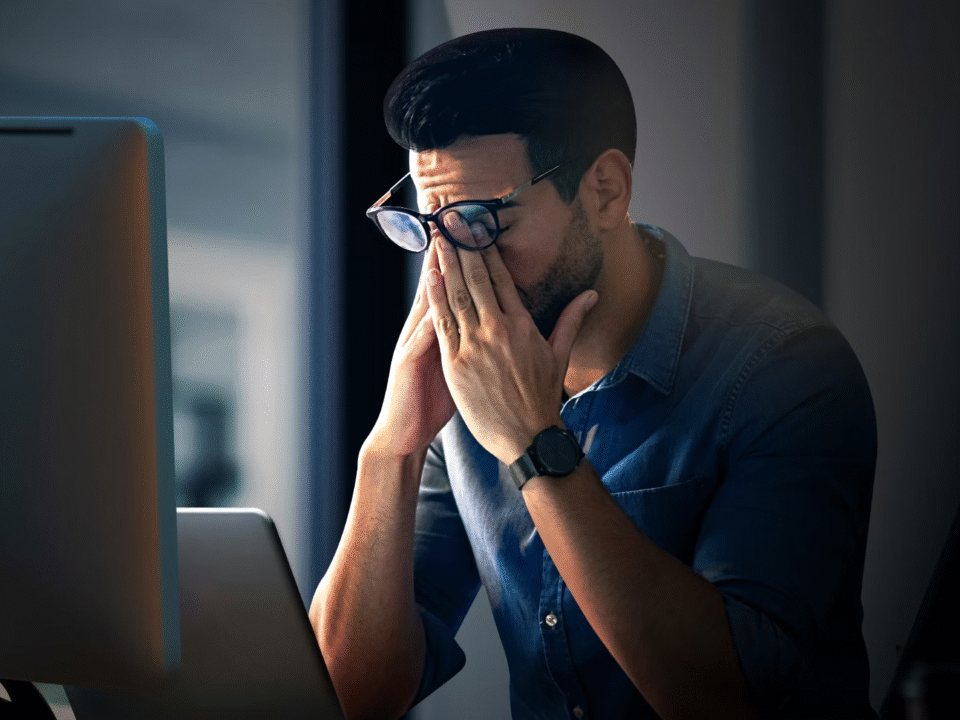
In today’s world, many of us spend hours staring at screens — computers, phones, TVs, and tablets. Prolonged exposure to digital devices leads to digital eye strain, also known as computer vision syndrome.
Symptoms may include:
- Dry or itchy eyes
- Blurred vision
- Headaches
- Neck and shoulder pain
To protect your eyes:
- Follow the 20-20-20 rule — every 20 minutes, look at something 20 feet away for 20 seconds.
- Blink often to keep your eyes moist.
- Adjust screen brightness and maintain a proper distance.
- Use blue light filters or glasses designed for screen use.
Even if your vision seems fine, screen users should consider annual check-ups to monitor for strain-related changes.
Eye Exams for Children and Teens
Children may not always realize they have vision problems. Poor eyesight can lead to difficulties in school, behavioral issues, or lack of interest in reading. That’s why early and regular eye exams are crucial.
A comprehensive children’s eye exam tests:
- Visual acuity (sharpness)
- Eye coordination
- Depth perception
- Color vision
- Focusing ability
If your child squints, tilts their head while reading, or sits too close to screens, it may be a sign they need an eye test.
Eye Checkups for Adults and Seniors
As we age, our eyes naturally change. Around your 40s, you may notice it’s harder to focus on nearby objects — a condition called presbyopia. Reading glasses or progressive lenses can help.
After age 60, you’re at a higher risk for age-related eye conditions. Regular eye exams help catch these problems early so they can be treated effectively. Maintaining a healthy diet rich in vitamins A, C, and E, staying hydrated, and not smoking can all protect your vision.
What Happens During an Eye Exam?
Many people feel nervous about getting their eyes tested, but it’s a simple and painless process. A standard eye exam usually includes:
- Vision testing – Reading letters on a chart to measure sharpness.
- Refraction test – Determines if you need glasses or contacts.
- Eye muscle test – Checks how well your eyes move together.
- Pupil reaction test – Evaluates how your eyes respond to light.
- Slit-lamp exam – Uses a microscope to inspect the front of your eyes.
- Eye pressure test (tonometry) – Screens for glaucoma.
If needed, your doctor may also dilate your pupils with eye drops to get a better look at the retina.
How to Prepare for Your Eye Exam
Before your appointment:
- Bring your current glasses or contacts.
- Note any symptoms or vision changes.
- Make a list of medications you’re taking.
- Know your family’s eye health history.
If your eyes will be dilated, bring sunglasses and arrange transportation, since your vision may be blurry for a few hours.
The Bottom Line
Your eyes deserve the same level of care as any other part of your body. Regular checkups not only keep your vision sharp but also detect serious health conditions early.
So, when should you get your eyes checked?
- At least every two years if you’re healthy and under 40.
- Annually if you’re over 40 or have risk factors.
- Immediately if you notice sudden changes in vision or eye discomfort.
Caring for your eyes today means seeing clearly tomorrow — literally and figuratively.
Frequently Asked Questions (FAQs)
1. What is the difference between an optometrist and an ophthalmologist?
An optometrist performs eye exams, prescribes glasses or contact lenses, and treats minor eye conditions. An ophthalmologist is a medical doctor who can perform eye surgeries and treat complex eye diseases.
2. Is it normal for my vision to change as I get older?
Yes. As you age, your eyes naturally lose some focusing ability, especially for close-up tasks. This condition, called presbyopia, is common and easily corrected with reading glasses or multifocal lenses.
3. Can I check my vision at home?
You can do simple vision checks using online tools or charts, but they don’t replace a professional exam. Only a qualified eye doctor can detect diseases or subtle vision problems.
4. How can I protect my eyes between checkups?
Eat a balanced diet rich in leafy greens, avoid smoking, wear UV-protective sunglasses, and follow the 20-20-20 rule when using screens. These habits keep your eyes healthy.
5. Can skipping eye exams cause permanent damage?
Yes. Many eye conditions like glaucoma or diabetic retinopathy develop silently. By the time symptoms appear, damage may already be permanent. Regular exams can prevent this.