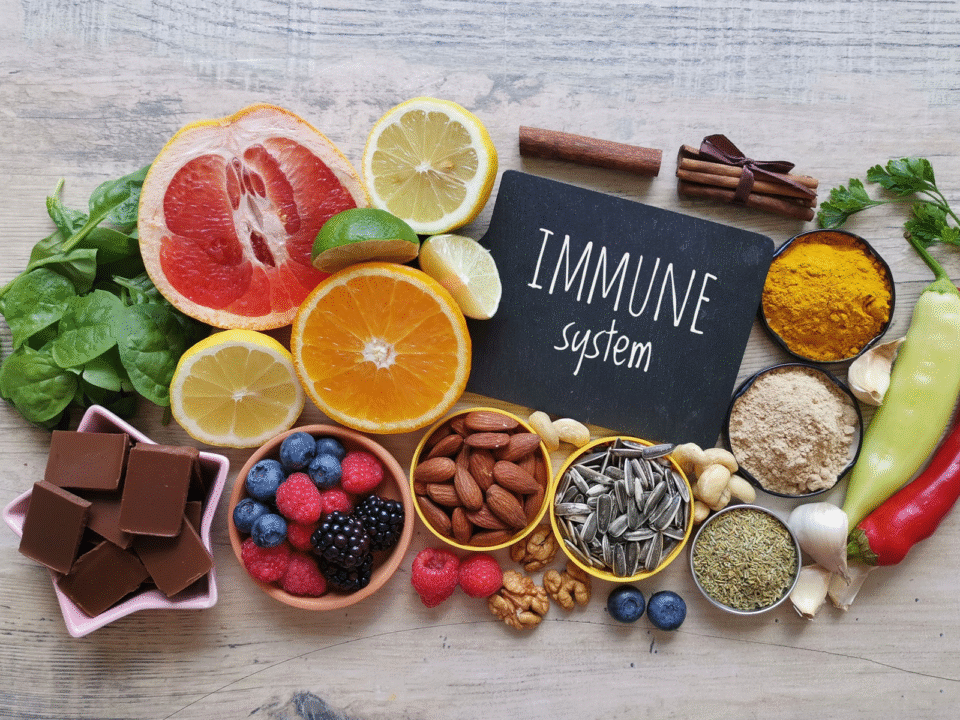
How to Strengthen Your Immune System Naturally
November 17, 2025
How to Fall Asleep Faster Naturally: Your Complete Guide
November 17, 2025
Allergies can turn your daily life into a struggle — itchy eyes, runny nose, sneezing fits, and constant fatigue. While over-the-counter medications can help, many people prefer natural, at-home solutions to relieve allergy symptoms without side effects. Luckily, nature offers several simple and effective remedies that can ease your discomfort and help you breathe easier.
In this article, we’ll explore the best home remedies for allergies, understand how they work, and share practical tips to manage symptoms naturally.
Understanding Allergies
Before jumping into remedies, it’s helpful to understand what allergies actually are.
An allergy is your immune system’s overreaction to something harmless — such as pollen, dust, pet dander, or certain foods. When you come into contact with these allergens, your body releases histamines, which trigger symptoms like sneezing, itching, and swelling.
Common types of allergies include:
- Seasonal allergies (hay fever): Triggered by pollen during certain seasons.
- Dust allergies: Caused by dust mites found in bedding, carpets, and furniture.
- Pet allergies: Reaction to animal dander, saliva, or fur.
- Mold allergies: Mold spores in damp areas can trigger respiratory symptoms.
- Food allergies: Certain foods like peanuts, shellfish, or eggs can cause allergic reactions.
While medical treatment is sometimes necessary, you can use home remedies to reduce symptoms and prevent flare-ups naturally.
Top Home Remedies for Allergies
Let’s look at some of the most effective and easy-to-follow natural remedies for allergy relief.
1. Local Honey — A Sweet Natural Desensitizer
Local, raw honey is one of the oldest and most popular home remedies for allergies. The idea is that consuming small amounts of local pollen through honey helps your body build resistance over time.
How it works:
Honey collected from local bees contains trace amounts of local pollen — the same kind that causes seasonal allergies. Eating a teaspoon daily might help your immune system adapt, reducing allergic reactions.
How to use:
- Take 1–2 teaspoons of raw, unprocessed local honey daily.
- Add it to warm water, herbal tea, or oatmeal for a tasty boost.
Note: This method works best when started a few months before allergy season begins.
2. Nasal Irrigation (Neti Pot or Saline Rinse)
A saline rinse or neti pot helps flush allergens and mucus from your nasal passages, giving instant relief from congestion and sinus pressure.
How to use:
- Mix 1 teaspoon of non-iodized salt and ½ teaspoon of baking soda in 2 cups of warm distilled water.
- Fill your neti pot or squeeze bottle with this solution.
- Tilt your head sideways and gently pour the solution through one nostril so it drains out the other.
Do this once daily during allergy season to keep nasal passages clear.
Benefits:
- Removes pollen, dust, and irritants
- Reduces sinus congestion
- Prevents postnasal drip
3. Steam Inhalation for Congestion Relief
Inhaling steam helps open your nasal passages and soothe irritated sinuses — especially helpful if you’re struggling to breathe or feeling stuffed up.
How to do it:
- Boil water and pour it into a large bowl.
- Add a few drops of eucalyptus or peppermint essential oil.
- Place a towel over your head and inhale the steam for 5–10 minutes.
Pro tip: You can also take a hot shower to achieve similar results.
Benefits:
- Clears mucus
- Reduces sinus pressure
- Eases breathing
4. Quercetin-Rich Foods (Natural Antihistamine)
Quercetin is a natural antioxidant found in many fruits and vegetables that helps stabilize your body’s histamine response. It can prevent allergy symptoms before they even start.
Best quercetin sources:
- Apples
- Berries
- Onions
- Broccoli
- Grapes
- Green tea
How to use:
Incorporate these foods into your daily meals or consider a quercetin supplement (after consulting your doctor).
Benefits:
- Reduces inflammation
- Blocks histamine release
- Supports immune health
5. Apple Cider Vinegar (ACV)
Apple cider vinegar is a multipurpose remedy that may help reduce mucus production and cleanse the lymphatic system — both helpful for allergy sufferers.
How to use:
- Mix 1 tablespoon of raw ACV with a glass of warm water and a teaspoon of honey.
- Drink this mixture twice daily during allergy season.
Benefits:
- Clears sinuses
- Supports detoxification
- Strengthens immunity
6. Herbal Teas (Nettle, Peppermint, or Ginger)
Certain herbal teas can calm allergic inflammation and soothe your respiratory system.
Top allergy-fighting teas:
| Tea Type | Key Benefit | Best Time to Drink |
|---|---|---|
| Nettle Tea | Acts as a natural antihistamine | Morning |
| Peppermint Tea | Clears sinuses and soothes throat | Afternoon |
| Ginger Tea | Reduces inflammation and boosts immunity | Evening |
Tip: Add honey and lemon for an extra soothing effect.
7. Keep Indoor Air Clean
Your home should be your safe space — not a source of allergens. Simple cleaning habits can dramatically reduce triggers like dust and pet dander.
Tips for cleaner air:
- Use a HEPA air purifier in bedrooms and living areas.
- Wash bedding in hot water weekly.
- Keep pets off furniture and out of bedrooms.
- Vacuum floors and carpets twice a week with a HEPA filter vacuum.
- Change HVAC filters regularly.
Clean air means fewer allergy attacks and better sleep.
8. Essential Oils for Allergy Relief
Some essential oils have strong anti-inflammatory and antihistamine effects that can relieve allergy symptoms naturally.
Top oils to try:
- Lavender oil: Calms inflammation and eases breathing.
- Peppermint oil: Opens airways and clears sinuses.
- Lemon oil: Boosts immunity and purifies air.
How to use:
- Add 5–10 drops to a diffuser.
- Mix with carrier oil and apply to chest or temples.
- Add a few drops to your bath for relaxation and relief.
9. Probiotics for a Stronger Immune System
Your gut health plays a huge role in immune balance. A healthy gut helps your body respond better to allergens and reduces overall inflammation.
Sources of probiotics:
- Yogurt with live cultures
- Kefir
- Kimchi
- Sauerkraut
- Probiotic supplements
Tip: Add probiotic foods to your daily diet to keep your immune system resilient all year round.
10. Vitamin C – The Natural Antihistamine
Vitamin C helps reduce histamine levels naturally, offering quick relief from sneezing, congestion, and watery eyes.
Best sources:
- Oranges
- Lemons
- Kiwi
- Bell peppers
- Strawberries
How to use:
- Drink a glass of fresh orange juice daily.
- Take a 500 mg Vitamin C supplement if recommended by your doctor.
When to See a Doctor
While home remedies are effective for mild allergy symptoms, you should see a doctor if:
- Symptoms persist for more than two weeks.
- You experience difficulty breathing or severe swelling.
- Over-the-counter or natural remedies don’t work.
Persistent or severe allergies may require medical testing and prescription treatment.
Conclusion
Managing allergies naturally is possible with a combination of home remedies, diet improvements, and environmental control. From local honey and nasal rinses to herbal teas and essential oils — these natural solutions can offer relief and improve your overall well-being.
Remember, consistency is key. Practice these remedies regularly, keep your home allergen-free, and nourish your immune system — your body will thank you with clearer breathing and more energy!
FAQs About Home Remedies for Allergies
1. Can home remedies completely cure allergies?
No, home remedies can’t “cure” allergies, but they can significantly reduce symptoms and prevent flare-ups naturally.
2. Is local honey safe for everyone with allergies?
Yes, for most adults, but children under 1 year old should not consume honey due to the risk of botulism.
3. How long does it take for home remedies to show results?
Some remedies, like steam inhalation, work immediately, while others like honey or probiotics may take a few weeks to build effectiveness.
4. Are essential oils safe for allergy relief?
Yes, when used properly. Always dilute essential oils before applying to the skin and avoid direct inhalation for long periods.
5. Can diet affect allergies?
Absolutely! A diet rich in antioxidants, probiotics, and anti-inflammatory foods helps strengthen your immune system and reduce allergic reactions.